
Why Weight Gain During Menopause Is Hormonal, Not Willpower

Why Weight Gain During Menopause Is Hormonal, Not Willpower
One of the most frustrating changes women experience during midlife is unexplained weight gain—especially around the abdomen. Many women report eating the same way, exercising consistently, and yet watching the scale creep upward. This experience often leads women to search for BHRT near me, hormone replacement therapy, or bio-identical hormone replacement therapy in hopes of understanding what’s really happening.
The truth is, menopause-related weight gain is not a failure of discipline. It is largely driven by hormonal shifts that affect metabolism, muscle mass, insulin sensitivity, and fat storage.
BHRT near me – menopause weight gain explained
How Hormonal Changes Alter Metabolism
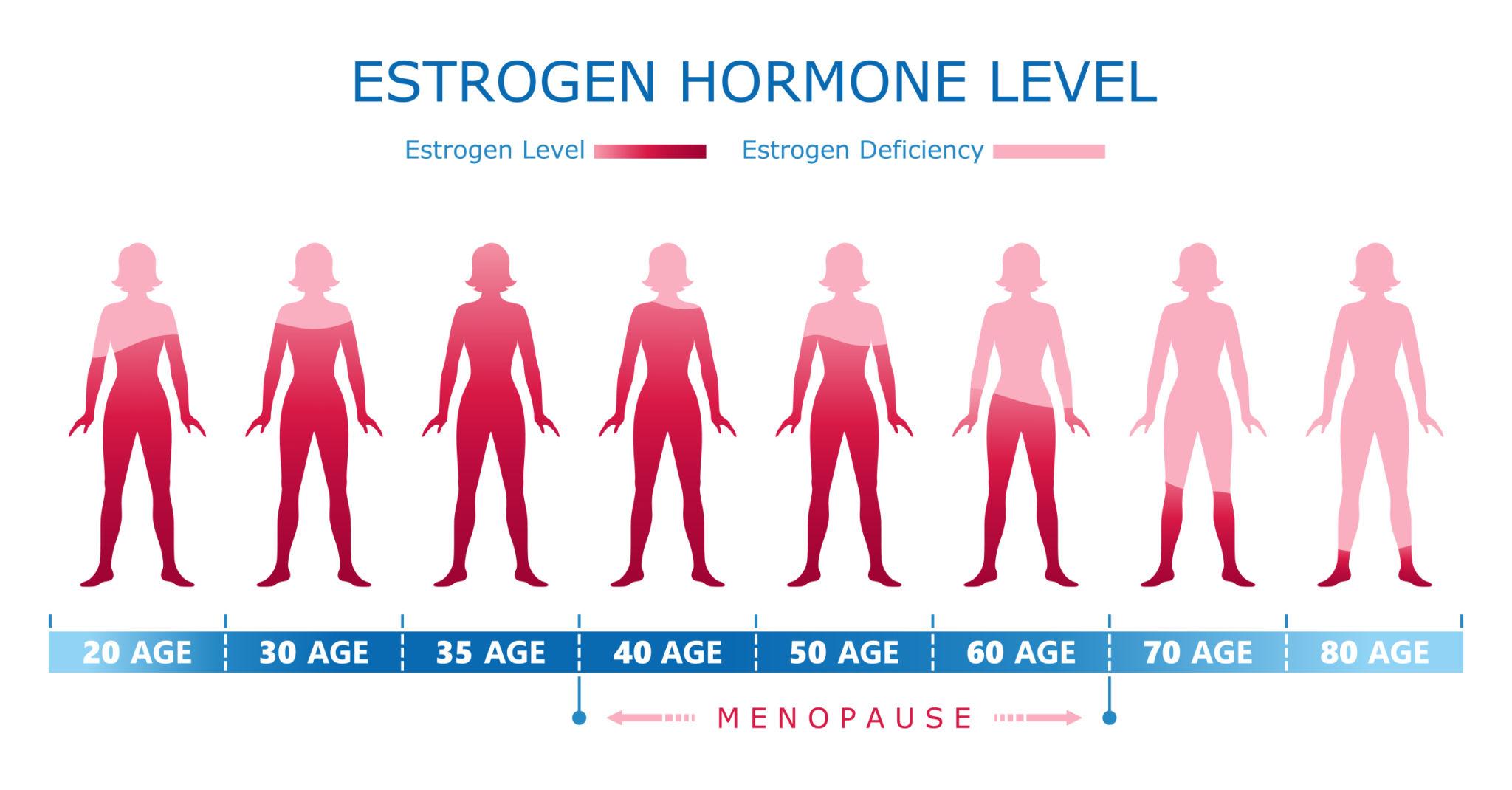
Estrogen plays a key role in how the body regulates fat distribution and glucose metabolism. As estrogen levels fluctuate and decline during perimenopause and menopause, the body becomes more likely to store fat—particularly in the abdominal area.
At the same time:
-
Resting metabolic rate may decrease
-
Muscle mass declines more rapidly
-
Insulin sensitivity can worsen
-
Cortisol (stress hormone) becomes more influential
These changes create a metabolic environment that favors fat storage rather than fat burning.
Schedule your treatment session today.
Call today for more information or to book an appointment, 513-891-2478
Average weight gain per year (lbs.)
According to research published in The Journal of Mid-Life Health, women gain an average of 1–1.5 pounds per year during the menopausal transition, even when lifestyle habits remain unchanged. This highlights how strongly hormonal factors influence body composition.

BHRT near me – menopause weight gain explained
Why Diet and Exercise Alone Often Stop Working
Traditional weight-loss advice assumes a stable hormonal environment. During menopause, however, the rules change.
Reduced estrogen can lead to:
-
Increased appetite signals
-
Reduced satiety
-
Slower recovery from exercise
-
Greater muscle loss with calorie restriction
When muscle mass decreases, the body burns fewer calories at rest. This makes weight loss harder and regain more likely—regardless of effort.
Many women become discouraged when strategies that once worked suddenly fail. This is often the moment they begin exploring hormone replacement therapy options.
“If you are hesitant to explore hormone replacement, don’t be. Going here was one of the best decisions I have ever made.”
Stephen
Cincinnati

BHRT near me – menopause weight gain explained
The Role of Testosterone in Women’s Weight Management
Testosterone is not just a “male hormone.” In women, it supports lean muscle mass, strength, motivation, and metabolic efficiency. Testosterone levels naturally decline with age and can drop further during menopause.
Low testosterone may contribute to:
-
Loss of muscle tone
-
Increased fat storage
-
Reduced exercise tolerance
-
Lower energy levels
Addressing testosterone imbalance is often a missing piece in menopause-related weight challenges.

Ready to explore a personalized plan? Book a BHRT consult with our clinic.
BHRT near me – menopause weight gain explained
How BHRT May Support Healthier Body Composition
Bio-identical hormone replacement therapy does not act as a weight-loss drug. Instead, it works by restoring hormonal balance so the body can function more efficiently.
When hormones are stabilized, many women experience:
-
Improved energy for physical activity
-
Better sleep, which supports metabolic health
-
Improved insulin sensitivity
-
Greater ability to maintain muscle mass
-
Reduced stress-driven fat storage
These changes can make healthy weight management more achievable and sustainable.
At Vigour, hormone therapy is guided by comprehensive lab testing and symptom evaluation, recognizing that weight changes are often a signal—not a failure.
Why the Scale Isn’t the Whole Story
During menopause, changes in body composition matter more than the number on the scale. Muscle loss and fat redistribution can occur even when weight remains stable.
Supporting muscle mass through balanced hormones, nutrition, and appropriate movement helps protect metabolism long-term.
A More Compassionate Approach to Midlife Weight Changes
Menopause is not a time to punish your body—it’s a time to understand it. Weight gain during this phase reflects biological adaptation, not lack of effort.
For women searching for bio-identical hormone replacement therapy near me, addressing hormonal balance can be a key step toward restoring confidence, strength, and metabolic health.
Ready to explore a personalized plan? Book a BHRT consult with our clinic.
The Vigour Team
Dr. Bradley Bobbitt
Medical Director, Vigour
Dr. Bobbitt is the medical director of Vigour, specializing in bio-identical hormone replacement therapy and plastic surgery. He graduated cum laude from Harvard University and received his medical degree from the University of Cincinnati where he earned the Christian R. Holmes Award. He completed his residency training at University of Cincinnati where, during his Chief Resident year, he was presented the Gerson Lowenthal Award in recognition of outstanding microsurgical skills. In 2003, he became board certified from the American Board of Otolaryngology in General Otolaryngology, Otology, Facial Plastic Surgery, Head and Neck Surgery, and Pediatric Otolaryngology.

The Vigour Team
Dr. Bradley Bobbitt
Medical Director, Vigour
Dr. Bobbitt is the medical director of Vigour, specializing in bio-identical hormone replacement therapy and plastic surgery. He graduated cum laude from Harvard University and received his medical degree from the University of Cincinnati where he earned the Christian R. Holmes Award. He completed his residency training at University of Cincinnati where, during his Chief Resident year, he was presented the Gerson Lowenthal Award in recognition of outstanding microsurgical skills. In 2003, he became board certified from the American Board of Otolaryngology in General Otolaryngology, Otology, Facial Plastic Surgery, Head and Neck Surgery, and Pediatric Otolaryngology.